
A history trip becomes easier to plan when you choose a question before a long list of monuments. Are you interested in how a city worked, how a ruler expressed power or how a place changed across centuries?
These ten starting points offer different ways in. Choose one as the centre of a trip and give yourself time to connect the major sights with their wider setting.

1. Giza and Cairo, Egypt
The Giza pyramids are part of a landscape of royal monuments, tombs and associated structures, rather than three isolated shapes in empty desert. Pair an understanding of the site with museum time and a broader look at Cairo.

Our Egypt planning guide separates several useful bases, while the pyramid comparison explains why different pyramid sites deserve their own context.
Start with one question about construction, burial or kingship. A good guide or museum display can then connect individual details to that larger subject.
2. Agra, India
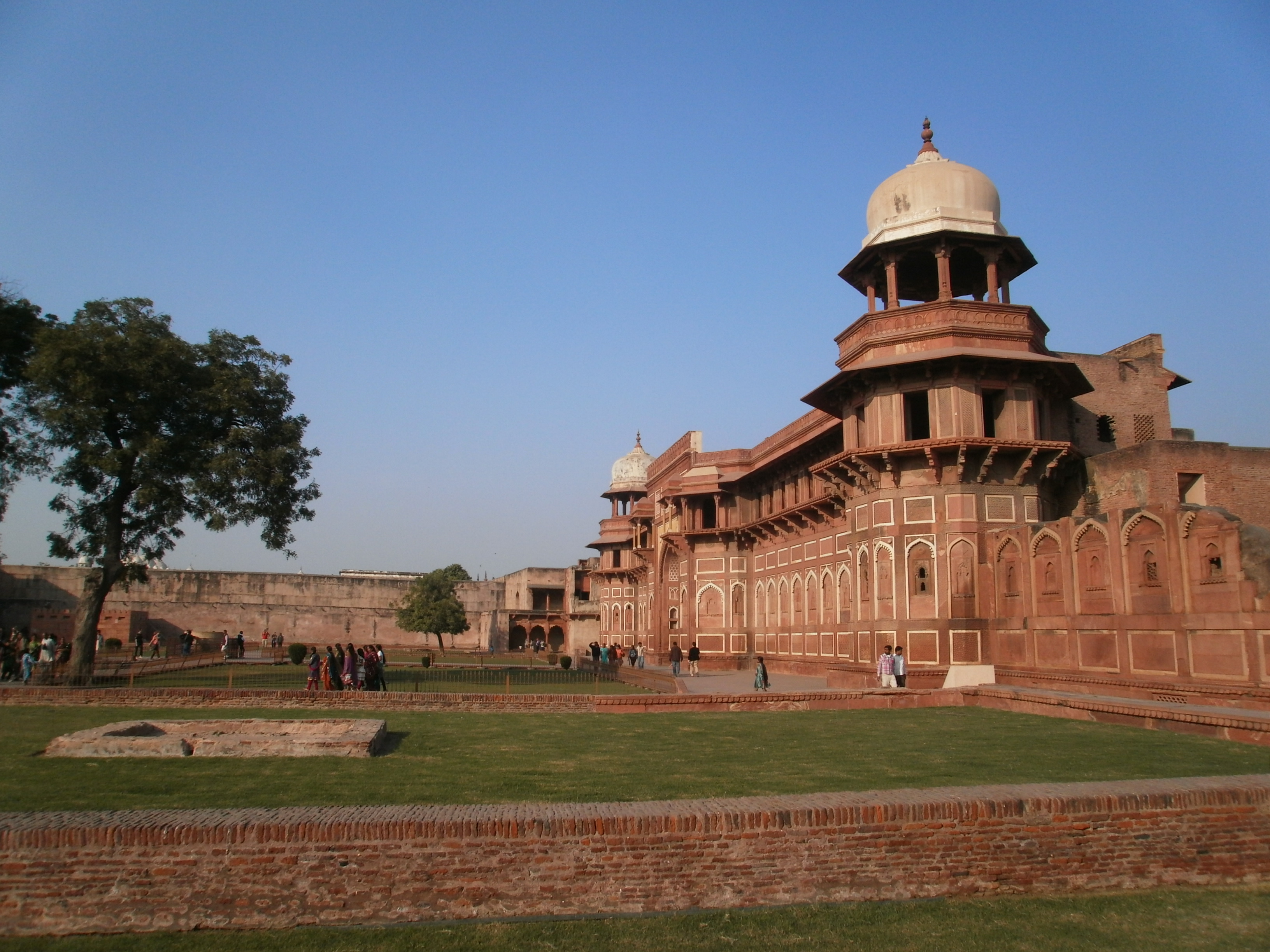
Agra offers more than a single view of the Taj Mahal. Comparing the mausoleum with Agra Fort lets you explore different purposes within Mughal architecture.
The official Taj Mahal visiting-hours page states that it is closed to general viewing on Fridays. Put that constraint into your itinerary before choosing arrival and departure dates.
Allow enough time to notice materials, courtyards and the transition between spaces. An early start is only useful if the rest of the day remains comfortable enough to enjoy.
3. Petra, Jordan
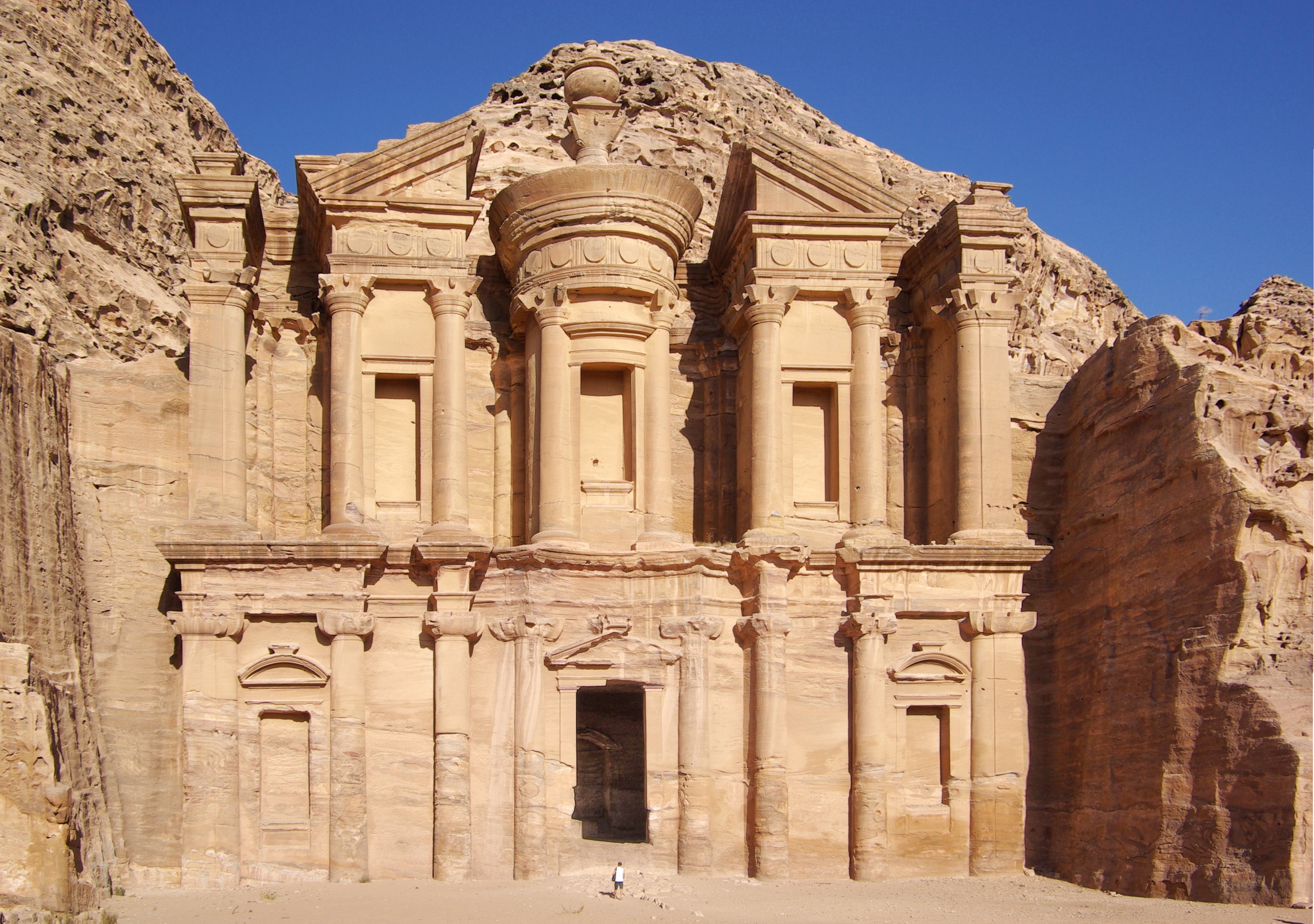
Petra is an extensive archaeological landscape. The Treasury and the Monastery, or Ad Deir, are different monuments; the prominent rock-cut façade in this article’s lead photograph is the Monastery.
Use the official Petra visitor site to compare routes and practical requirements. Choose a route that suits your available time and walking ability instead of assuming every landmark fits into the same short visit.
For another Jordanian perspective, our Jerash guide explores a very different ancient urban setting.
4. Rome, Italy
Rome rewards an interest in how separate parts of a city related to one another. A temple, a public square and a monumental arch each had a role beyond looking impressive today.
The Roman Forum guide is a useful starting point. Follow a few connections carefully, then leave space for a different period of the city rather than trying to identify every surviving stone in one morning.
5. The Yucatán Peninsula, Mexico
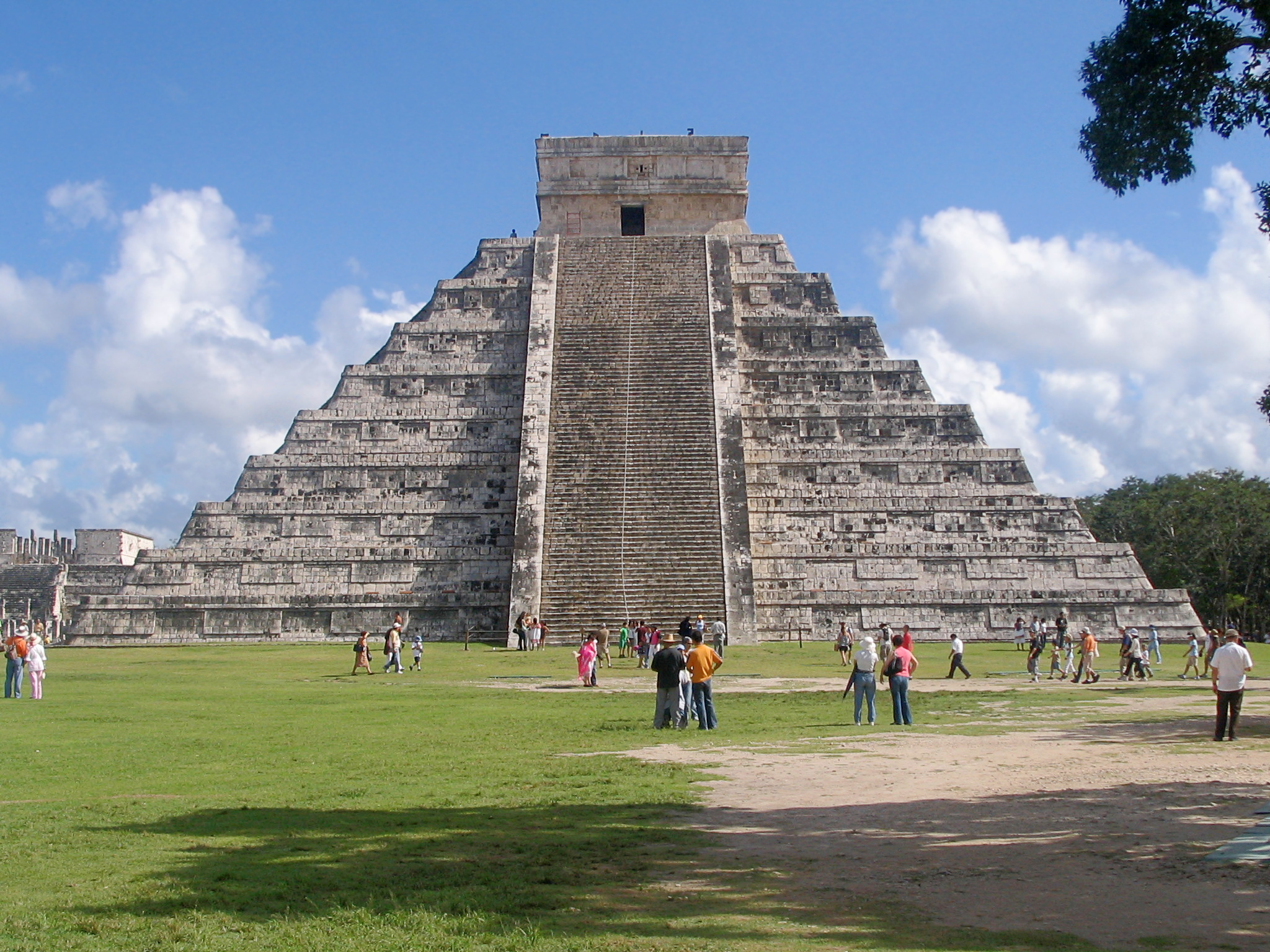
Chichén Itzá is one site, not separate places called “Chichen” and “Itza.” It belongs within the long history of Maya societies, whose descendants and cultures are very much part of the region today.
Our Chichén Itzá guide and Tulum feature help distinguish different settings. Give each site its own time and avoid treating contemporary Maya communities as an extension of an archaeological display.
6. Athens, Greece
Athens offers opportunities to connect surviving monuments with museums and the city around them. Decide whether your main interest is ancient public life, art, architecture or a later chapter of the city.
Combine one substantial site visit with time to absorb what you have seen. Our Greece travel ideas can help balance cultural visits with neighbourhood wandering and a good meal.
Bring home a few stories you can explain, rather than a checklist you barely remember. That is often what turns a collection of historic places into a satisfying journey through time.
Megan Sullivan’s seven-wonders journey offers an example of an ambitious personal itinerary without making its pace a requirement for your own trip.


7. Budapest: more than one historical layer
Roman remains, medieval sites and later architecture belong to different chapters of the city. Rather than labelling every museum or church medieval, choose a period and follow its evidence. Comparing a surviving structure with a museum account can reveal how a place was reused or interpreted long after it was first built.
8. Beijing: imperial monuments in a living city
The Forbidden City, Ming tombs and Great Wall are distinct places with different functions and locations. They should not be treated as a single compact attraction or as uniformly untouched survivals. A good historical question concerns how palaces, burial landscapes and defensive works expressed different aspects of imperial power.
9. Angkor Wat: a monument with a changing religious history
Angkor Wat began as a Hindu temple and later became associated with Buddhist worship. Calling it simply a Buddhist construction leaves out that transition. Its carved surfaces and arrangement of spaces reward time at one monument, while the wider Angkor landscape includes many other sites with their own histories.
10. Machu Picchu: understand the setting as well as the masonry
The Inca site’s relationship with its mountain setting is central to its appearance and organisation. Terraces, buildings and paths deserve attention as parts of a designed place, rather than clues to a fictional vanished people. Contemporary Andean communities are not absent from the story simply because a famous archaeological site belongs to an earlier period.
Rome and the Maya region offer further comparisons
Rome's Colosseum, Baths of Caracalla, Palatine and Forum point towards different activities within an ancient city; Ostia Antica adds a separate urban and port setting. In the Maya region, Cobá offers another comparison with Chichén Itzá and Tulum. Choose a question that can travel between sites—how water was used, where people gathered or how movement was directed—then study the answer in each place. Similar interests can connect a journey while the individual histories remain distinct.
Sources, photography and further reading
Original feature and image attributions:
- www.turkeytour.net
- upload.wikimedia.org
- www.aktivtours.hu
- upload.wikimedia.org
- www.ancient.eu.com
- goista.com
- stacybuckeye.files.wordpress.com
- upload.wikimedia.org
- upload.wikimedia.org
- www.globeimages.net
- Chirkup
- Top 10 Beautiful Temples
- The Amazing Ancient City Jerash in Jordan
- Beautiful Thikse Monastery – the Spiritual Retreat in India
- Meteora, a Unique Place in Hellas (Greece)
- Welcome To The 19 Most Charming Places On Earth. They’re Too Perfect To Be Real.
- He Visited All 201 Countries In The World... WITHOUT Using A Plane.
- Here Are 20 Unbelievable Places You Would Swear Aren’t Real… But They Are.
- Egypt planning guide
- pyramid comparison
- official Taj Mahal visiting-hours page
- official Petra visitor site
- Jerash guide
- Roman Forum guide
- Chichén Itzá guide
- Tulum feature
- Greece travel ideas
- seven-wonders journey
Current reference information, checked 15 September 2026:



.jpg)



0 comments:
Post a Comment